

How to Cook Pasture-Raised Lamb (And Why It’s Different From Store-Bought Lamb)
If you have never cooked pasture-raised lamb before, you might be surprised by how different it is from what you find at the grocery store. And that difference is a good thing.
Pasture-raised lamb is raised outdoors on open pasture, allowed to move freely and grow at a natural pace. This results in meat that is leaner, more flavorful, and more nutrient-dense than conventionally raised lamb. Because of this, pasture-raised lamb requires a slightly different approach in the kitchen.
Once you understand how to cook it, pasture-raised lamb becomes one of the most rewarding meats you can prepare.


Why Pasture-Raised Lamb Cooks Differently
Commercial lamb is often grain-finished and raised for rapid weight gain. This leads to higher fat content and a softer texture that can tolerate overcooking.
Pasture-raised lamb:
-
Is leaner
-
Has higher-quality fat
-
Develops stronger muscle structure
-
Has a clean, mild flavor, not gamey
Because of this, pasture-raised lamb benefits from:
-
Slightly lower cooking temperatures
-
Careful attention to doneness
-
Simple seasoning that lets the flavor shine
The goal is not to mask the lamb, but to highlight it.
How to Cook Different Cuts of Pasture-Raised Lamb
Lamb Chops
Best cooked hot and fast.
Because pasture-raised lamb chops are lean, they cook quickly and are best served medium-rare to medium. Overcooking will dry them out.
Tips:
-
Bring chops to room temperature before cooking
-
Season simply with salt, pepper, garlic, and herbs
-
Sear quickly and rest before serving
Boneless Leg or Shoulder of Lamb
Best cooked low and slow or roasted carefully.
Leg and shoulder benefit from gentle roasting or slow cooking. These cuts are flavorful and tender when cooked properly.
Tips:
-
Roast at a lower temperature than store-bought lamb
-
Use herbs like rosemary, thyme, and garlic
-
Let rest at least 15 minutes before slicing
Lamb Shank (Bone-In)
Best cooked braised.
This cut shines with long, slow cooking. Pasture-raised shanks become deeply flavorful and fall-apart tender.
Tips:
-
Brown first for flavor
-
Cook low and slow in broth or wine
-
Allow plenty of time
Lamb Ribs (Bone-In)
Best cooked slow and gentle.
Lamb ribs are rich and flavorful but benefit from low heat to soften connective tissue.
Tips:
-
Roast covered first, then uncover to finish
-
Season simply
-
Do not rush them
Simple Recipe: Pan-Seared Pasture-Raised Lamb Chops
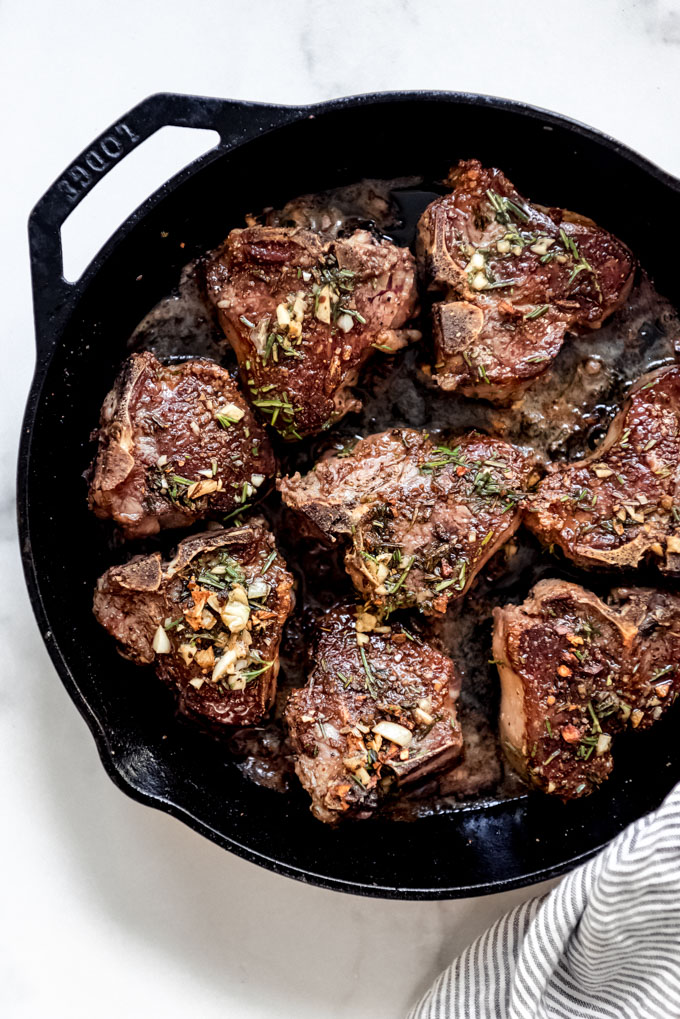
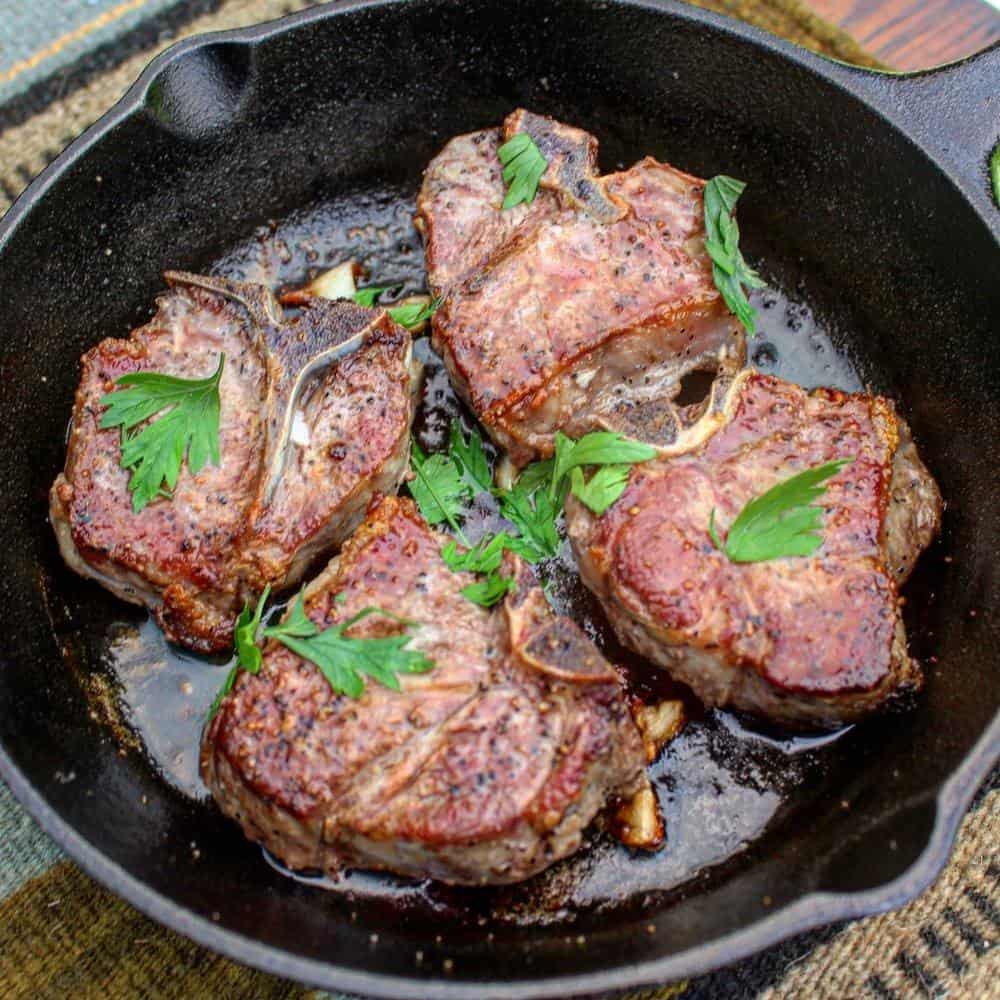
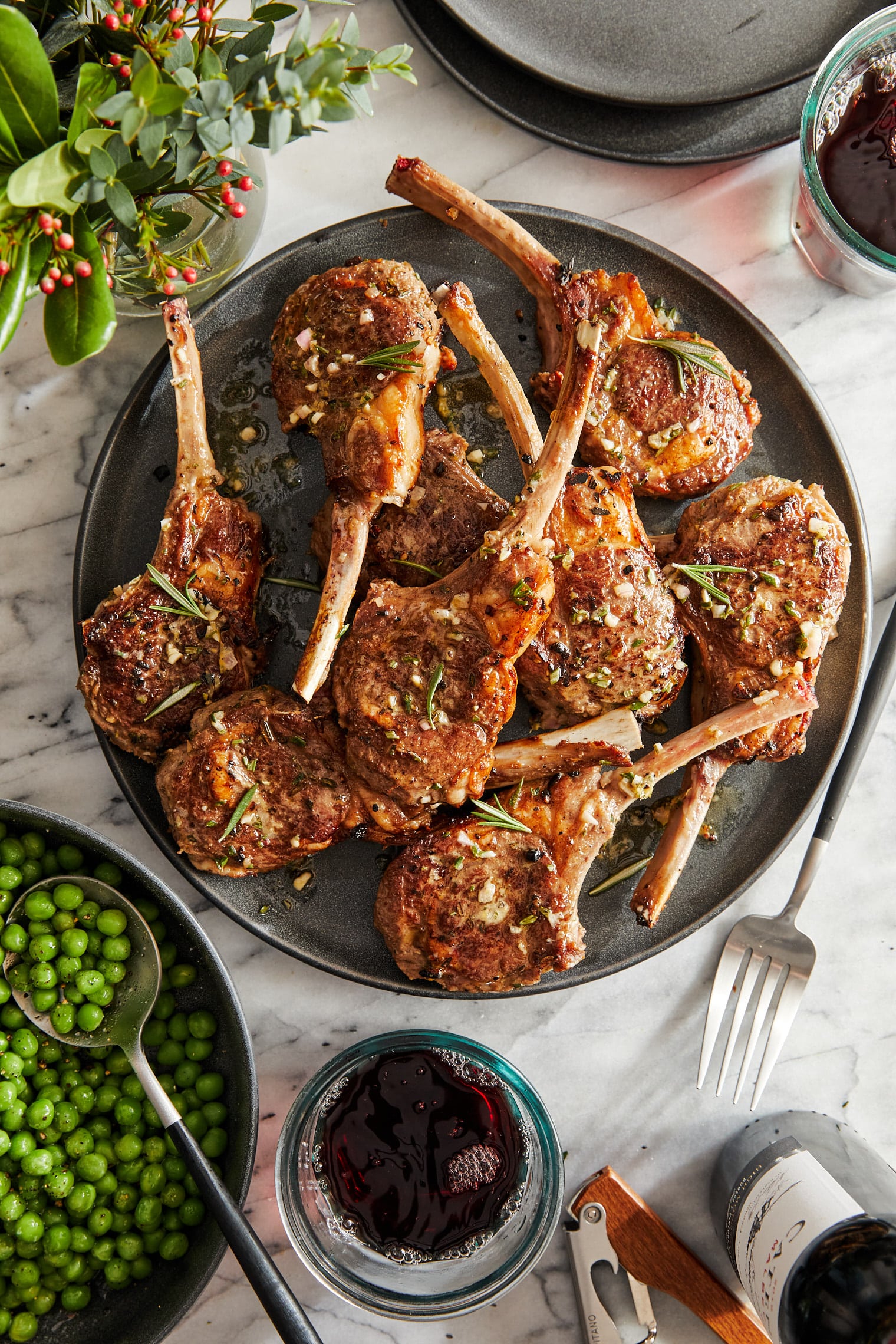
This recipe is ideal for first-time lamb cooks and lets the natural flavor of pasture-raised lamb shine.
Ingredients
-
4 pasture-raised lamb chops
-
1 tablespoon olive oil or grass-fed butter
-
3 cloves garlic, smashed
-
2 sprigs fresh rosemary or thyme
-
Salt and black pepper
Instructions
-
Remove lamb chops from the refrigerator 30 minutes before cooking.
-
Pat dry and season generously with salt and pepper.
-
Heat a cast iron skillet over medium-high heat until hot.
-
Add oil or butter to the pan.
-
Place lamb chops in the skillet and sear for 2 to 3 minutes per side.
-
Add garlic and herbs to the pan and spoon the hot fat over the chops for the final minute.
-
Remove from heat when internal temperature reaches:
-
130°F for medium-rare
-
135 to 140°F for medium
-
-
Rest chops for 5 minutes before serving.
Serving suggestions
Serve with roasted vegetables, potatoes, or a simple salad. Lamb does not need heavy sauces. Let the meat speak for itself.
Final Thoughts
Pasture-raised lamb rewards simple cooking and attention to detail. When treated gently, it offers a depth of flavor and tenderness that many people never experience with conventional lamb.
If you have been hesitant to cook lamb in the past, pasture-raised lamb is the best place to start.
And once you try it, you may wonder why you waited so long.